Entry 1 • Written
The Importance of Communication in College
An analytical essay examining how effective verbal and non-verbal skills shape academic success and build meaningful peer networks.
Read Essay →The impact of social media on communication with a focus on impact on students.
View My WorkHello! I am Rishi Pankaj Heda (Roll No. 25BCE0477), currently pursuing my B.Tech in Computer Science and Engineering (CSE Core) at VIT Vellore. While my academic focus is rooted in technology and programming, I am deeply fascinated by the intricate ways we connect in the modern world. This portfolio showcases my exploration of communication culture, highlighting my work in traditional essays, non-verbal analysis through photography, and data-driven student surveys.
An analytical essay examining how effective verbal and non-verbal skills shape academic success and build meaningful peer networks.
Read Essay →A 10-part visual narrative exploring the paradox of digital connection and physical isolation through social media usage on campus.
View Gallery →An interactive survey and data analysis examining how university students manage screen time and physical space during group collaborations.
View Survey →College today looks vastly different than the brochures suggest. Sure, we still have the classic lecture halls and sprawling libraries, but the real heartbeat of the campus has moved online. For most of us, social media and messaging apps aren't just distractions to scroll through during a slow class—they are the actual infrastructure of our daily lives. They have totally reshaped how we talk, collaborate, and ultimately survive the chaos of a university semester.
Think about how actual work gets done. When you are staring down a brutal C++ midterm and need to wrap your head around a sorting algorithm, or you're up at 2 AM trying to figure out the server architecture for a weekend hackathon, nobody is sending a formal email to a professor. That's just too slow. Instead, the real lifesavers are platforms like Discord, Slack, and WhatsApp. You drop a screenshot of your broken code into a group chat, and within minutes, someone who is equally sleep-deprived chimes in with a fix. This constant, chaotic stream of digital communication turns learning into a massive, real-time group effort. You aren't just studying alone in a dorm; you're crowdsourcing your degree.
Beyond just passing classes, these platforms are how we actually find our community. Walking onto a massive campus for the first time is incredibly intimidating, but social media shrinks the university down to a manageable size. Long before the semester even starts, students are already in massive group chats, scoping out potential roommates or bonding over shared interests. Whether you are trying to find a team to build a new navigation app with, or just looking for an obscure club, apps like Instagram and Reddit act like a giant, interactive campus bulletin board. They make it possible to bypass the overwhelming crowds and instantly plug into micro-communities that actually matter to you.
Then comes the inevitable pivot to the "real world." The same digital habits we build while sharing memes or coordinating club events eventually have to grow up. Platforms like LinkedIn force us to learn a completely new dialect: professional networking. Suddenly, you have to figure out how to clearly showcase that decentralized compute project you built, and how to reach out to industry recruiters without sounding awkward. It’s a delicate balance of being authentic while putting your best professional foot forward. Mastering this kind of digital outreach is often what actually lands internships and opens doors after graduation.
But, of course, living entirely through our screens has a massive downside. The convenience of typing out our thoughts can actually make us worse at dealing with real-life friction. When a group project falls apart or a roommate dispute bubbles up, it's tempting to send a quick, frustrated text rather than having a difficult, face-to-face conversation. In text, tone gets lost instantly, easily turning minor misunderstandings into massive arguments. Plus, there is the weird paradox of the digital age: you can be connected to hundreds of peers online, yet feel completely isolated while scrolling through everyone else's curated highlight reels from your bed.
At the end of the day, social media is permanently wired into the college experience. It’s how we build projects, find our friends, and launch our careers. But to actually thrive, we have to remember that these apps are just tools, not substitutes for real human connection. The goal isn't just to be good at managing a Discord server or curating a polished profile; it's about knowing when to put the phone down, look someone in the eye, and just talk.
The primary purpose of this essay is to critically examine the profound shift in how modern university students interact, highlighting that digital platforms are no longer just supplementary distractions but the foundational infrastructure of college life. It aims to shed light on the dual nature of this connectivity, balancing the efficiency of digital collaboration against the erosion of face-to-face conflict resolution skills. The target audience includes current college students, university administrators, and educators who are navigating this new digital-first academic environment. By understanding these dynamics, stakeholders can better support student well-being and academic success. This entry connects directly to the overarching theme of communication by dissecting the transition from traditional, physical interactions to rapid, screen-based networking. It explores how the message—whether a late-night Discord server or a polished LinkedIn profile—fundamentally alters the relationships we build, and our ability to navigate interpersonal friction. Ultimately, it underscores the necessity of becoming "bilingual" in both digital and face-to-face communication to truly thrive in contemporary society.
A 10-part visual narrative exploring the paradox of digital connection and physical isolation through our daily social media habits. We journey from the highs of global reach to the burnout of the "always-on" screen, and finally to the intentional choice to reconnect with reality.
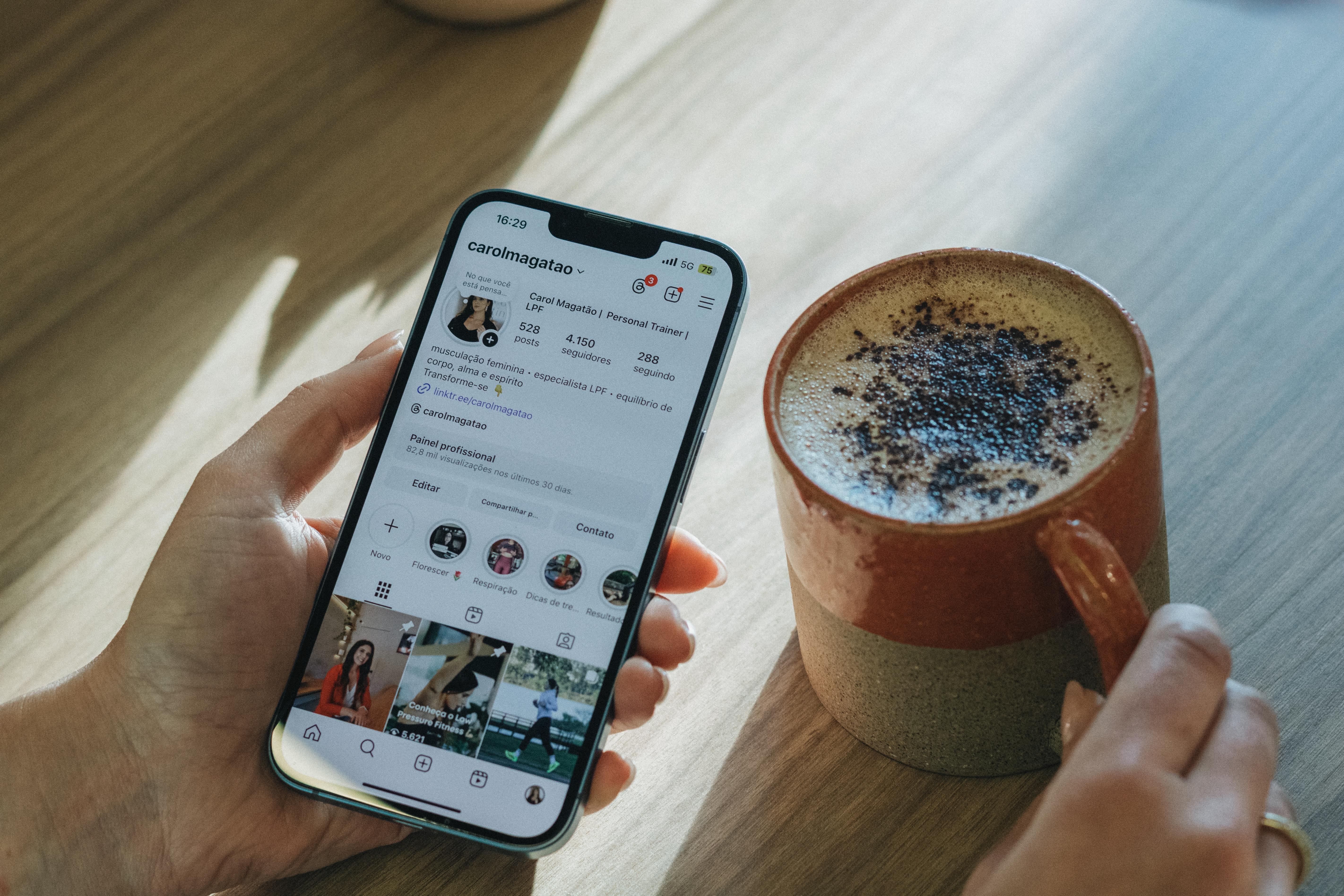
We start with the "curated" version of communication—everything looks perfect and connected.
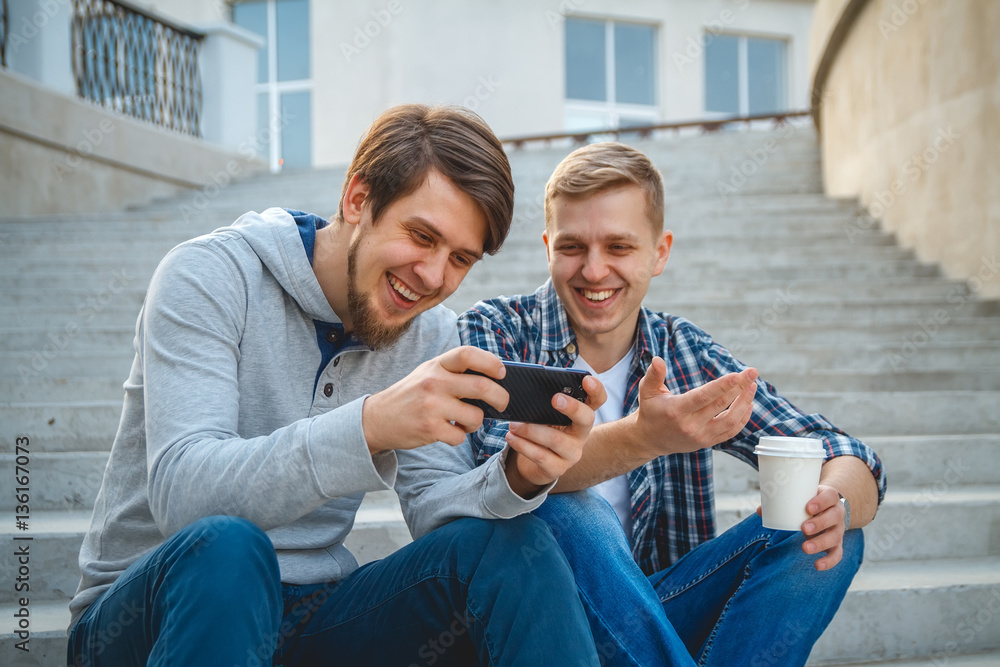
Social media starts as a bridge; it’s a reason for these two people to lean in and share a moment.
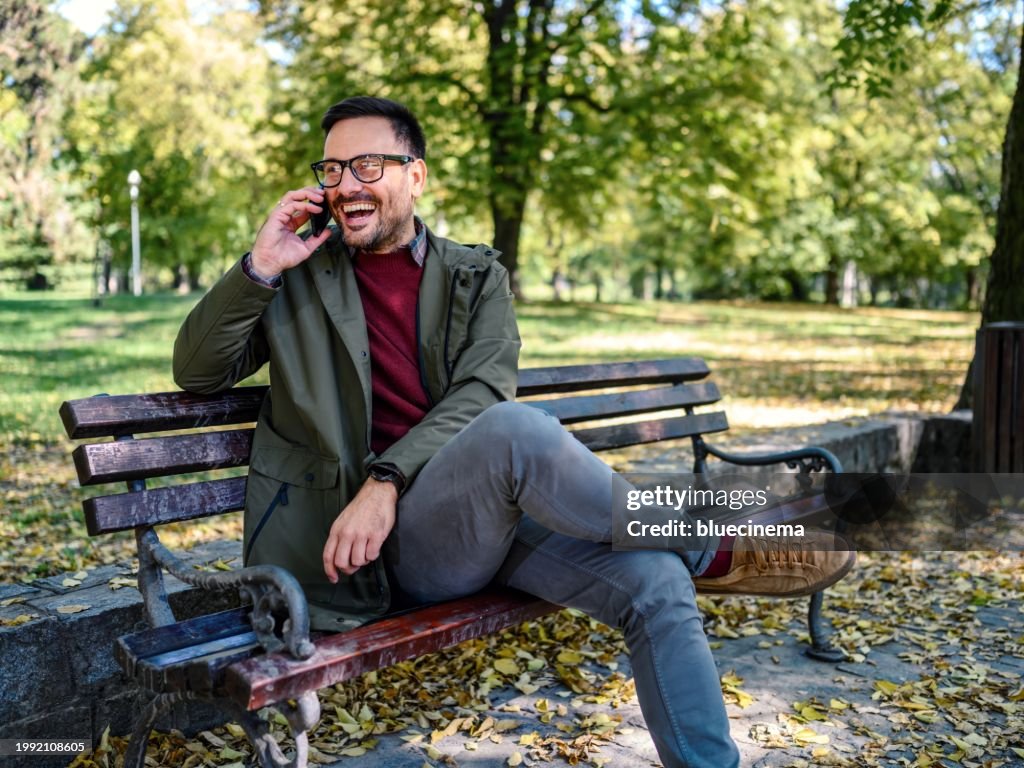
The feeling of being "everywhere at once"—talking to someone miles away while sitting in the sun.

The "ghost" enters the room. Physical proximity is there, but the communication is now directed elsewhere.

Communication becomes private and isolating. The "real" world disappears, and only the digital world exists.

The dark side of social media communication—the stress of waiting for a reply and the overthinking of digital silence.

Communication becomes "noise." It’s no longer a conversation; it’s a demand for attention that feels overwhelming.
The realization of what we lose when we only communicate through a glass screen.

The "climax" of the essay—the moment the character decides to stop the digital noise and return to the present.

The end. True communication is restored. No screens, no "ghosts," just a face-to-face moment.
The primary purpose of this photo essay, titled "A photo essay on effects of social media on student life," is to visually deconstruct the paradox of modern digital communication—how tools designed to bring us together can ultimately isolate us in shared physical spaces. By charting a three-phase narrative from the initial highs of curated connectivity to the isolating anxiety of screen burnout, and finally to intentional disconnection, the piece highlights the emotional toll of our digital habits. The target audience includes college students, digital natives, and communication scholars who regularly navigate the friction between online presence and physical absence. This entry connects directly to the portfolio’s overarching theme by analyzing the medium of communication itself. It visually argues that while smartphones offer unparalleled global reach, they often act as an invisible barrier that disrupts localized, face-to-face dialogue. Ultimately, the essay advocates for setting boundaries around our screen time to reclaim the authenticity of uninterrupted, human-to-human connection.
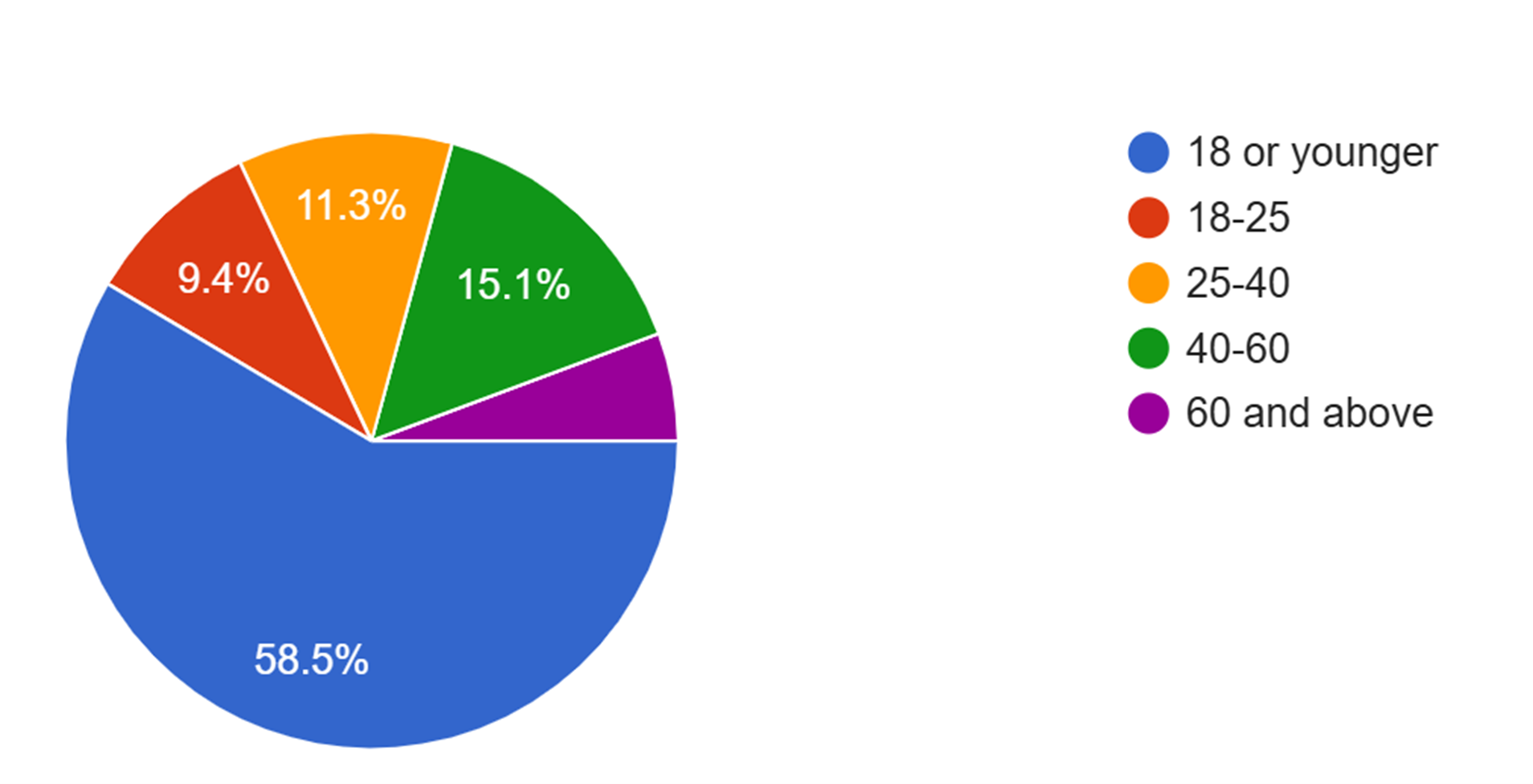
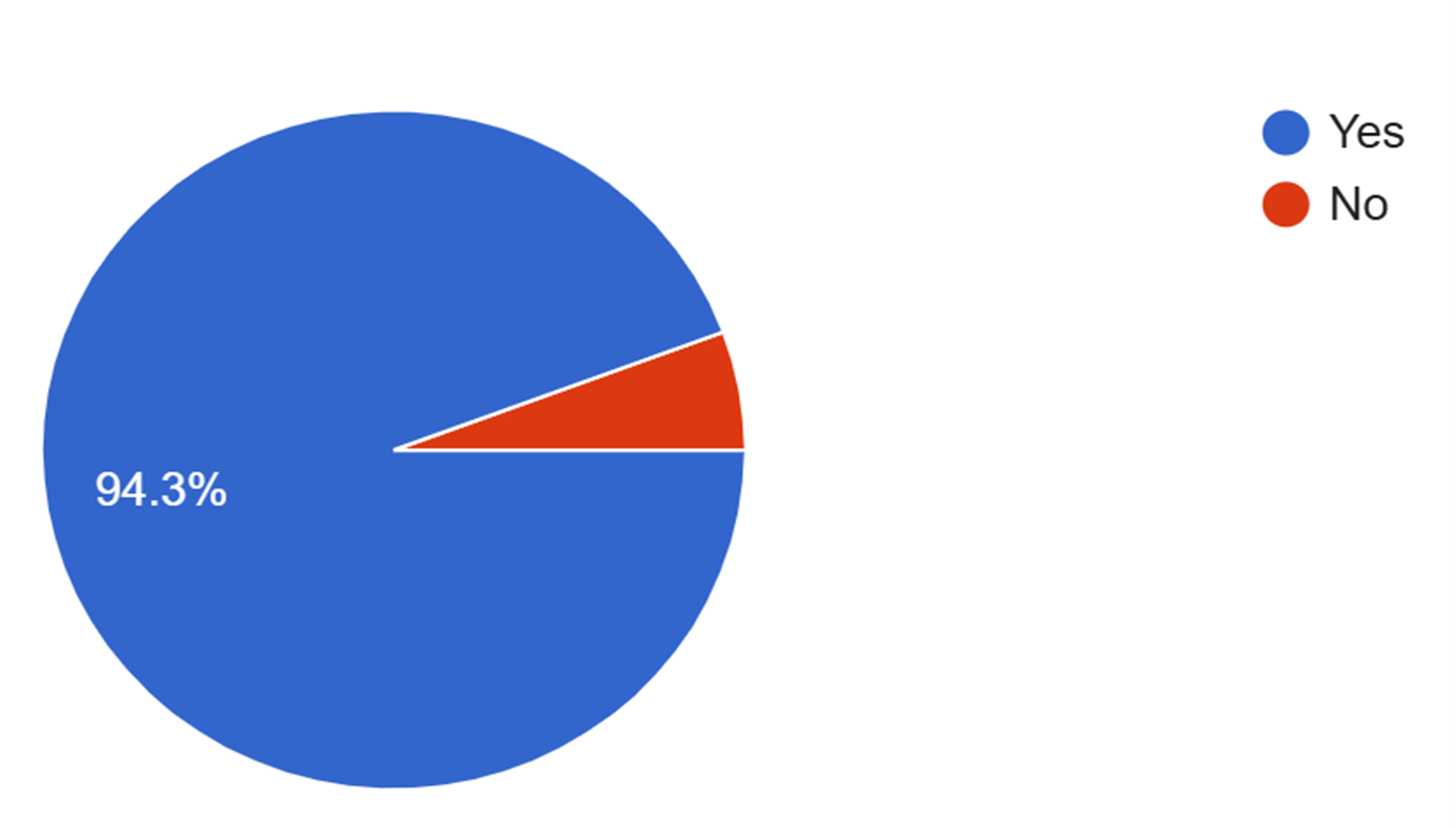
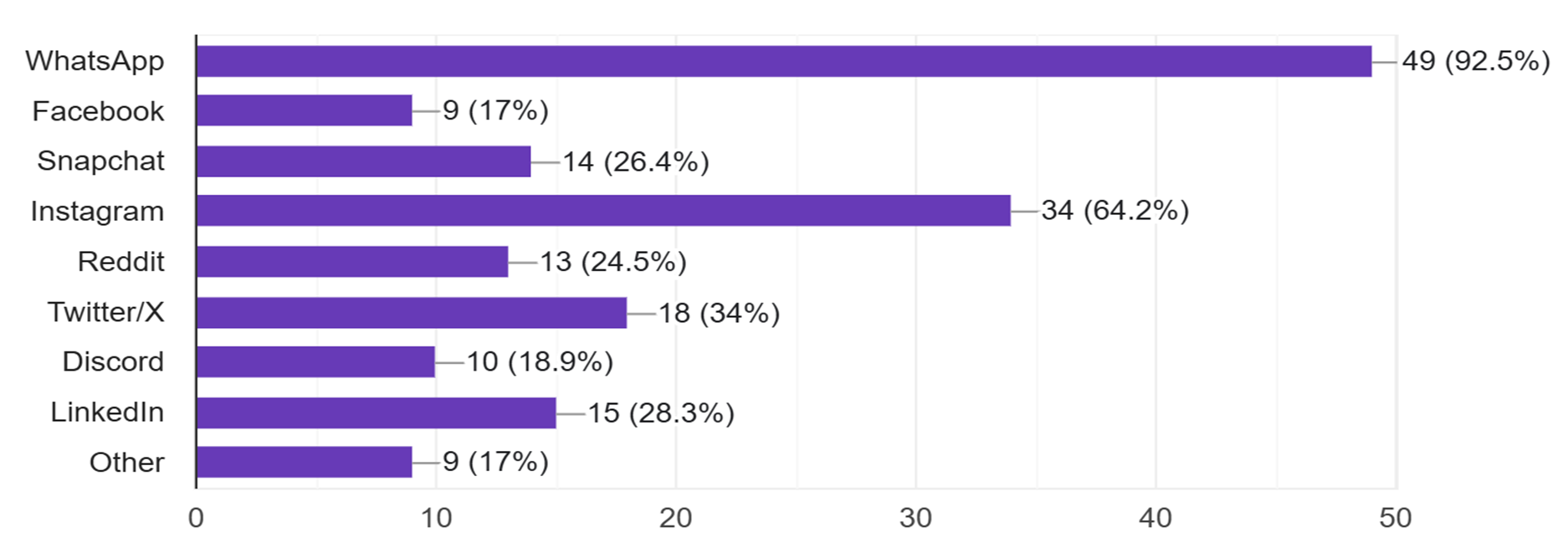
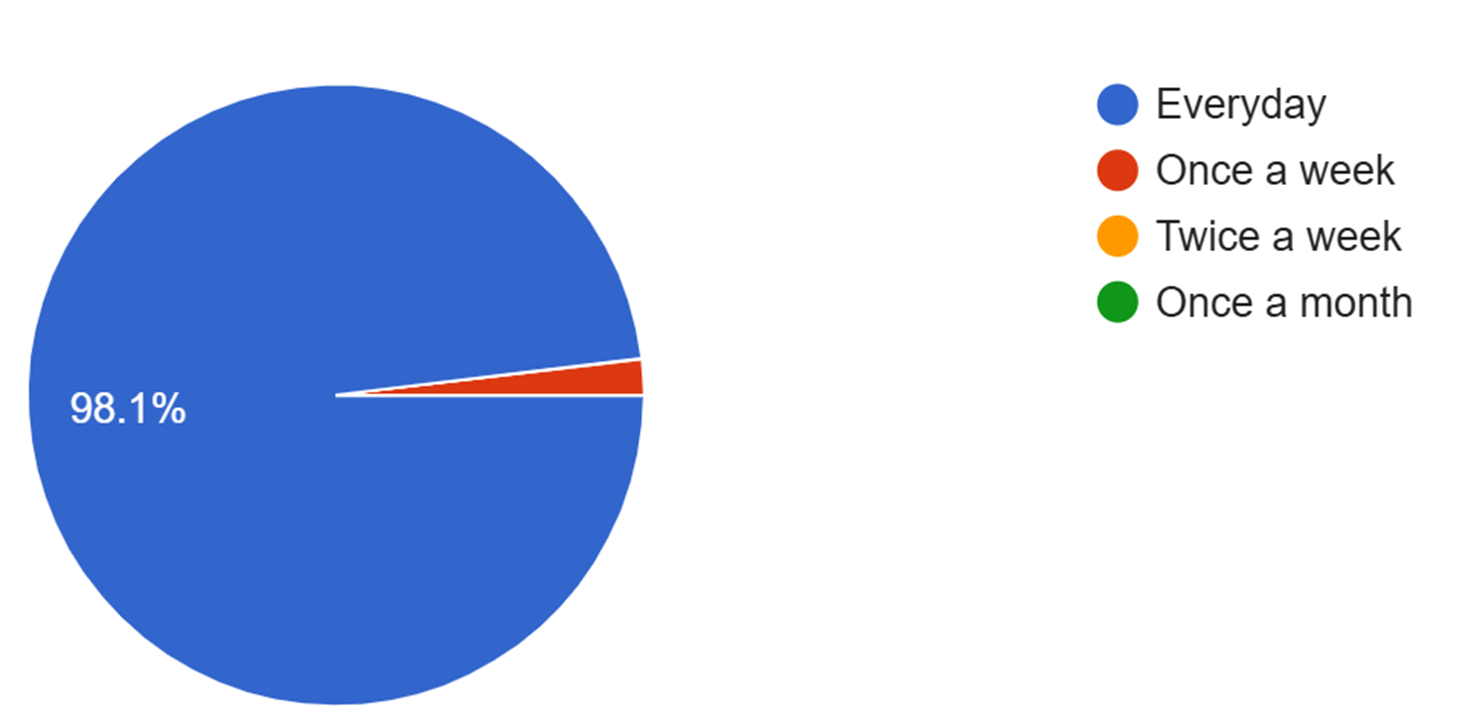
I conducted a survey on the impact of internet in everyday Life. The survey was designed primarily to gauge the impact of social media and internet on our lives and knowledge about the pros and cons of this means of communication. Another purpose of the survey is to document social media usage among various age groups. This survey was taken by 53 people through a google form. Because this was a relatively small convenience sample, we cannot make broad claims that these results represent the entire situation. However, these reported results are useful in informing us about the perspectives of different groups regarding internet and social media usage.
The following charts show the survey responses:
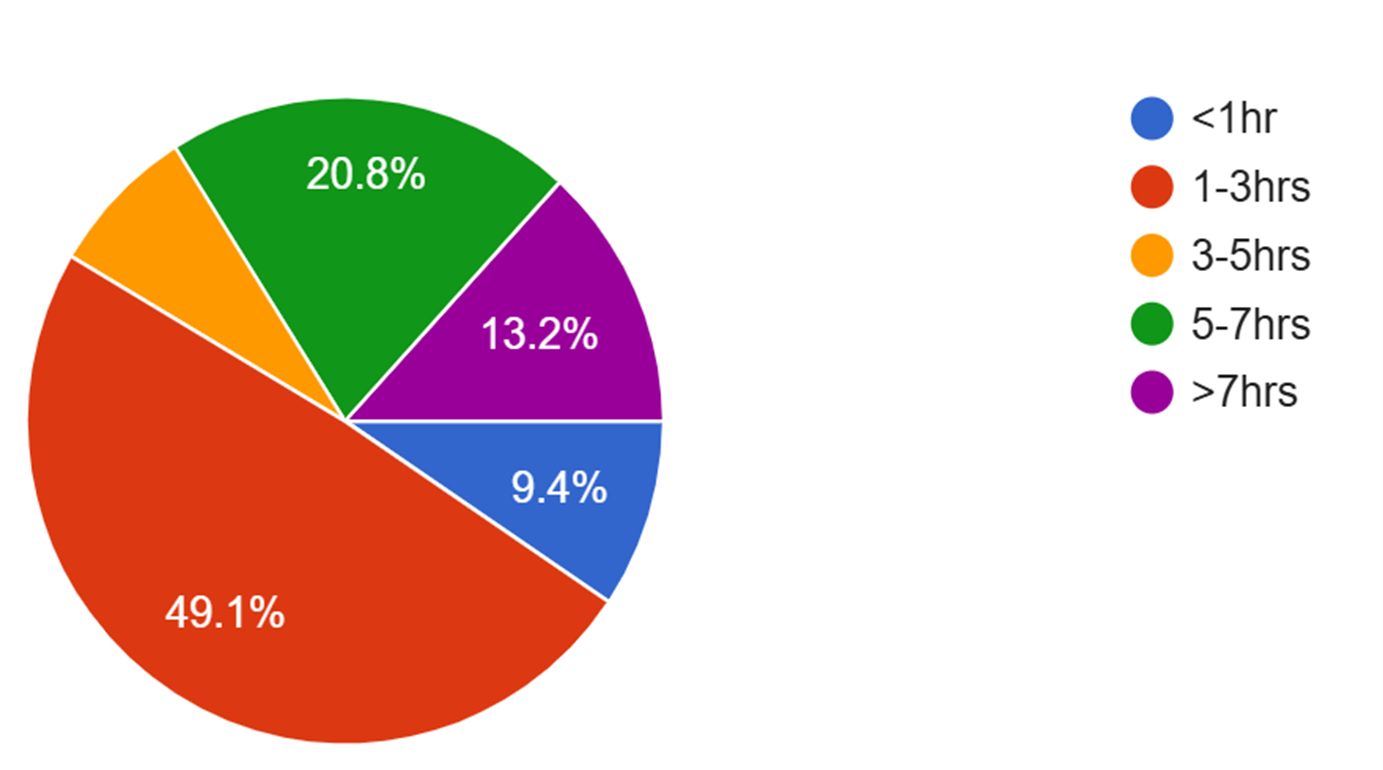
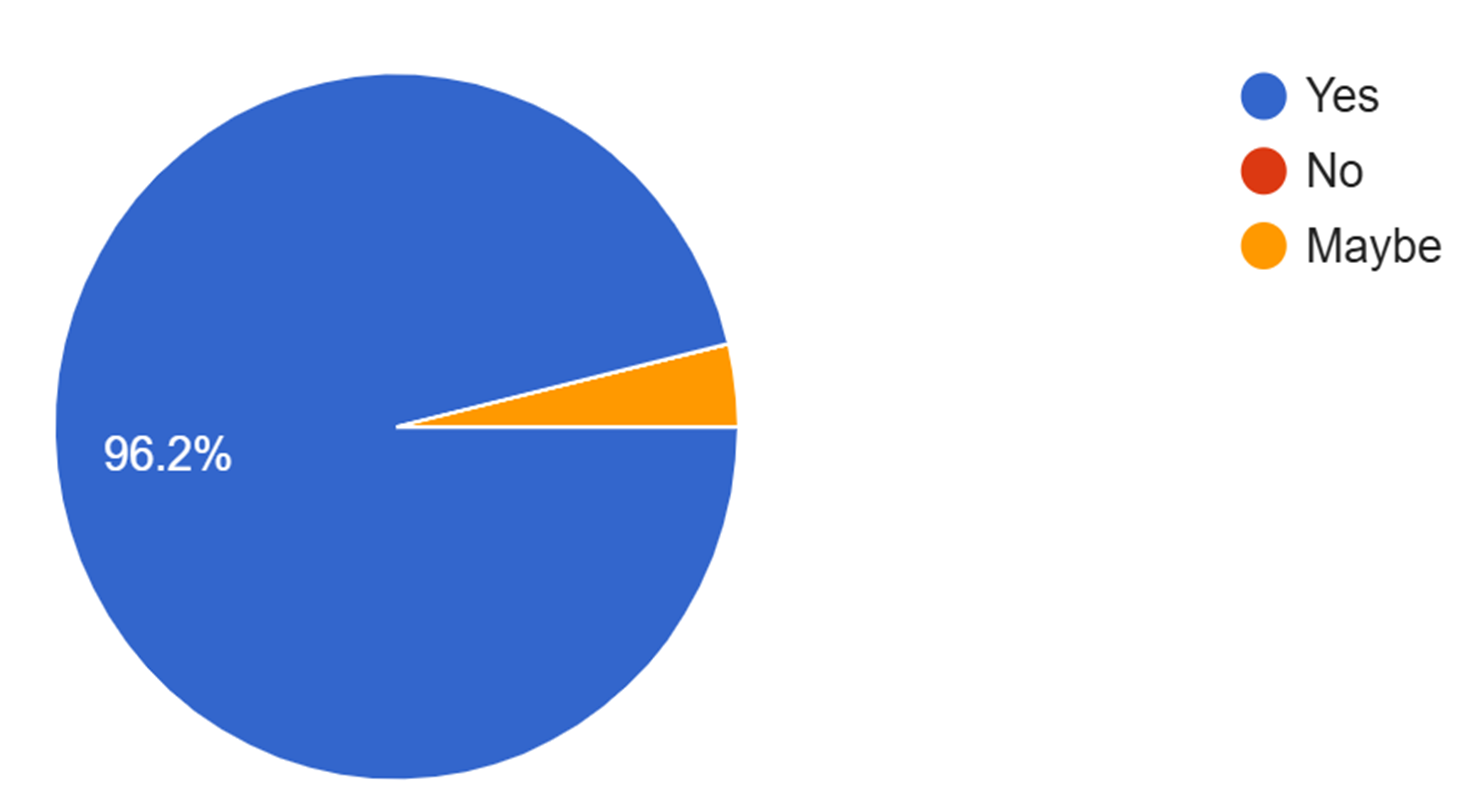
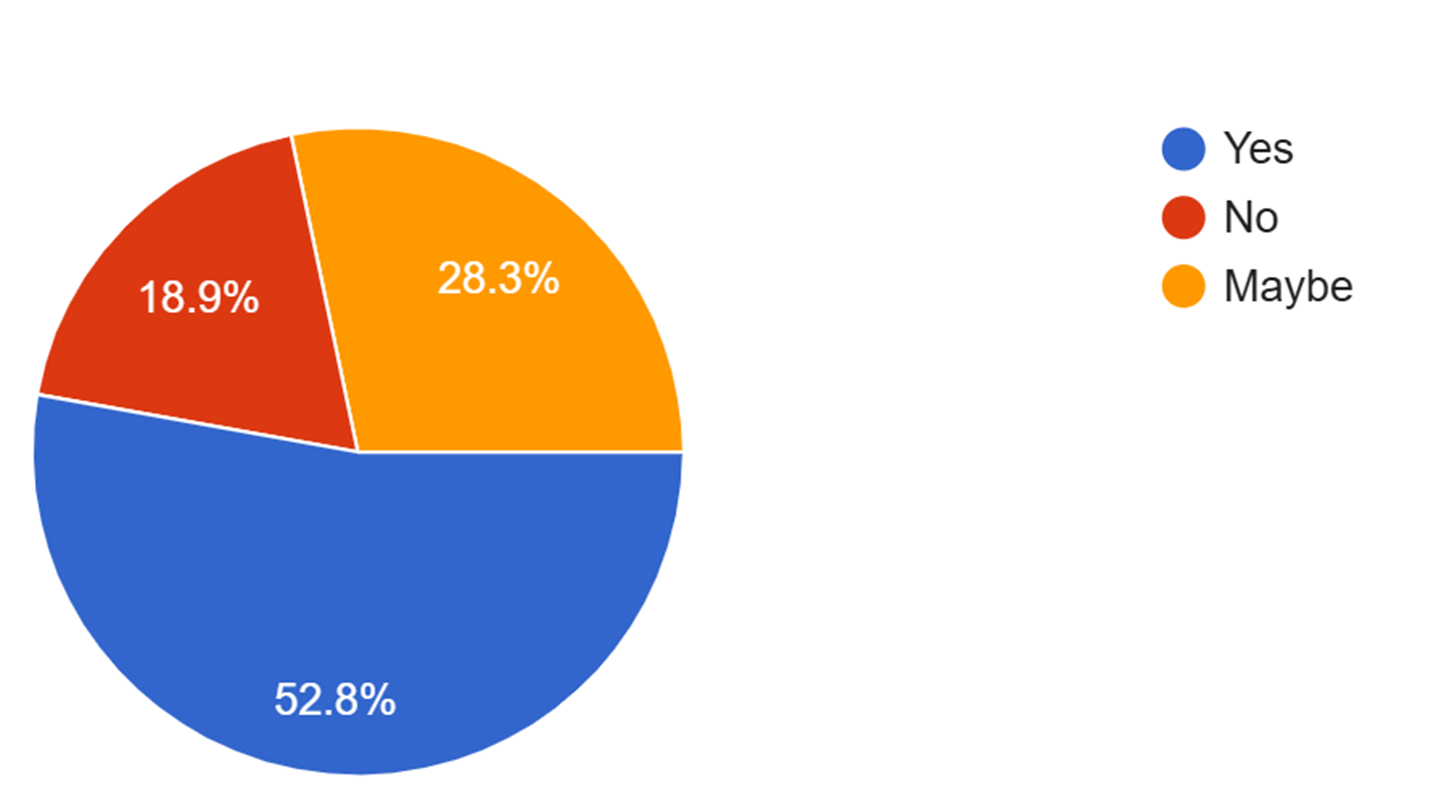
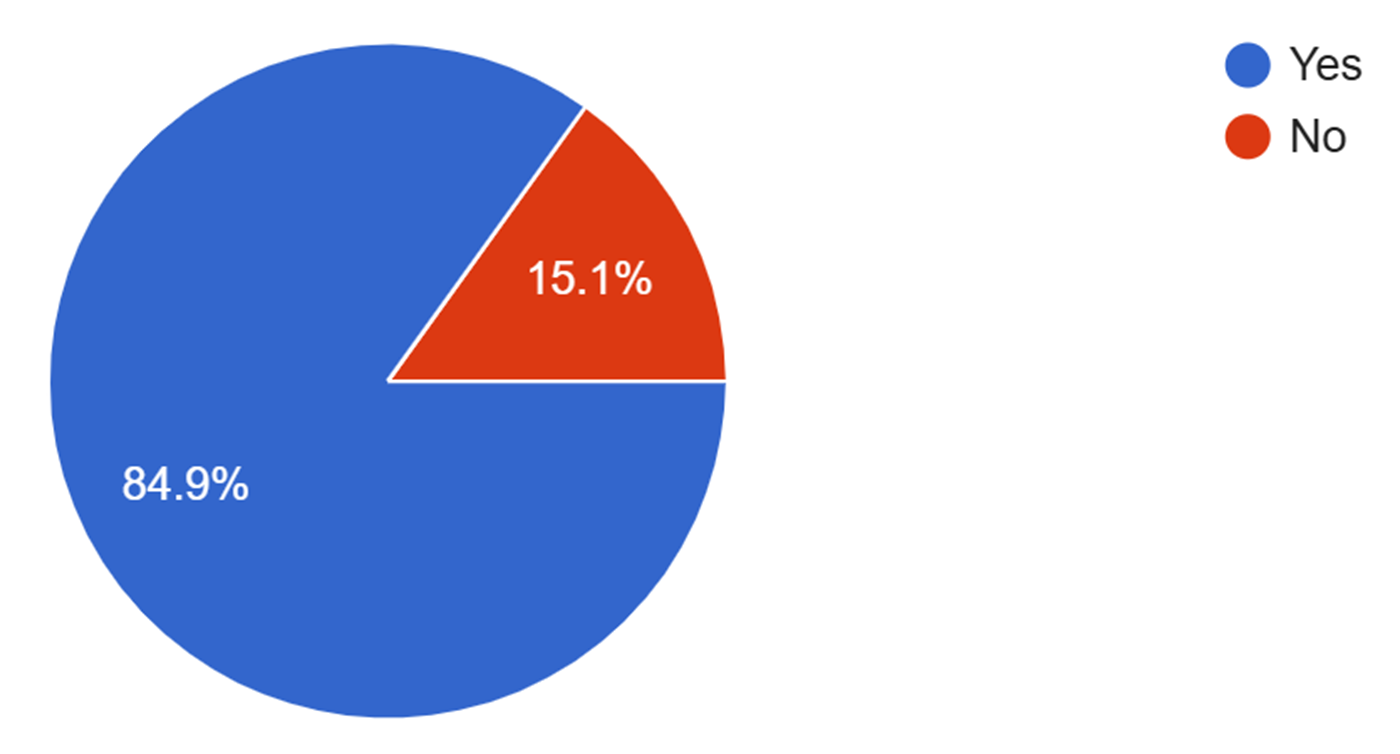
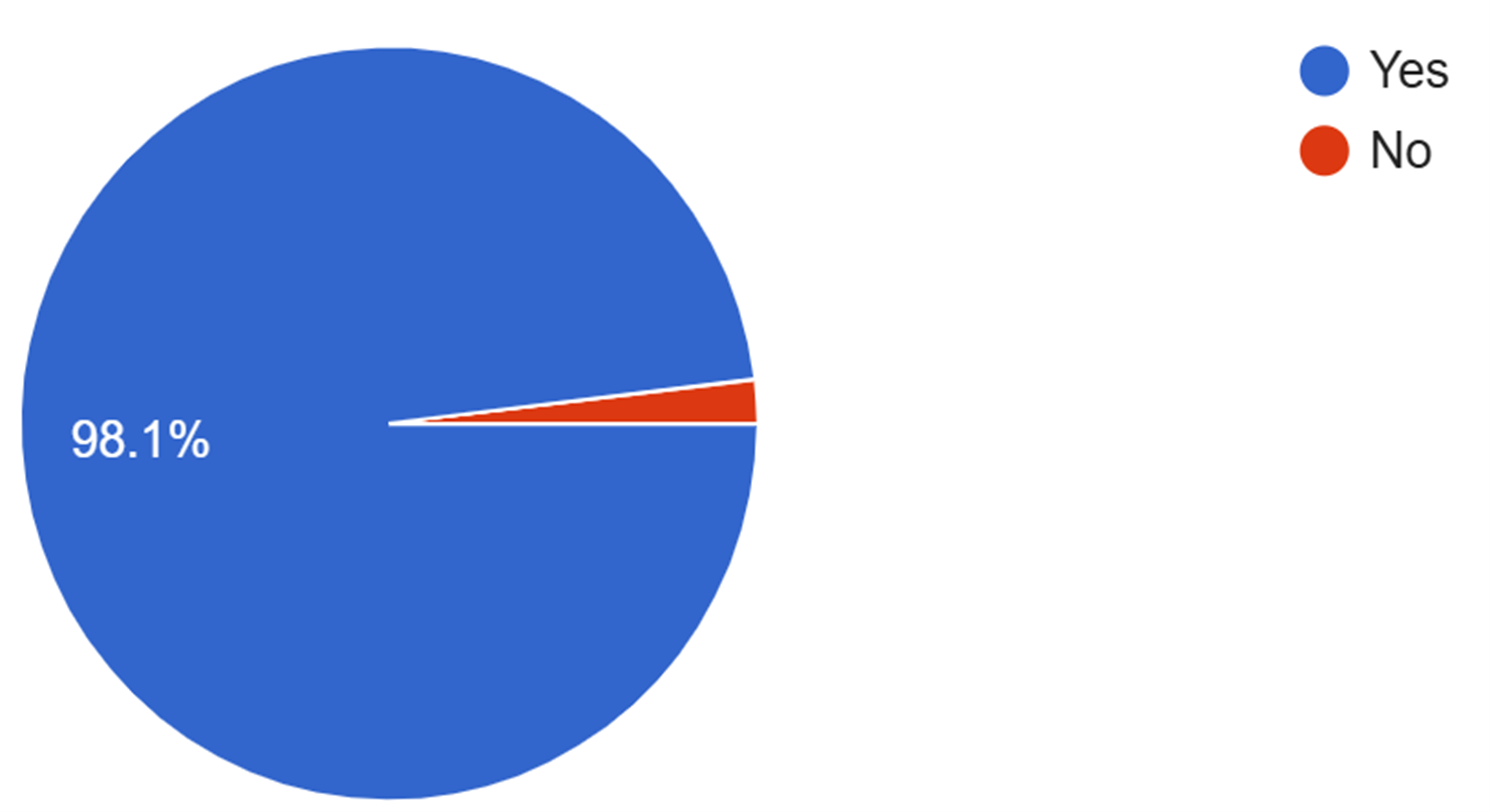
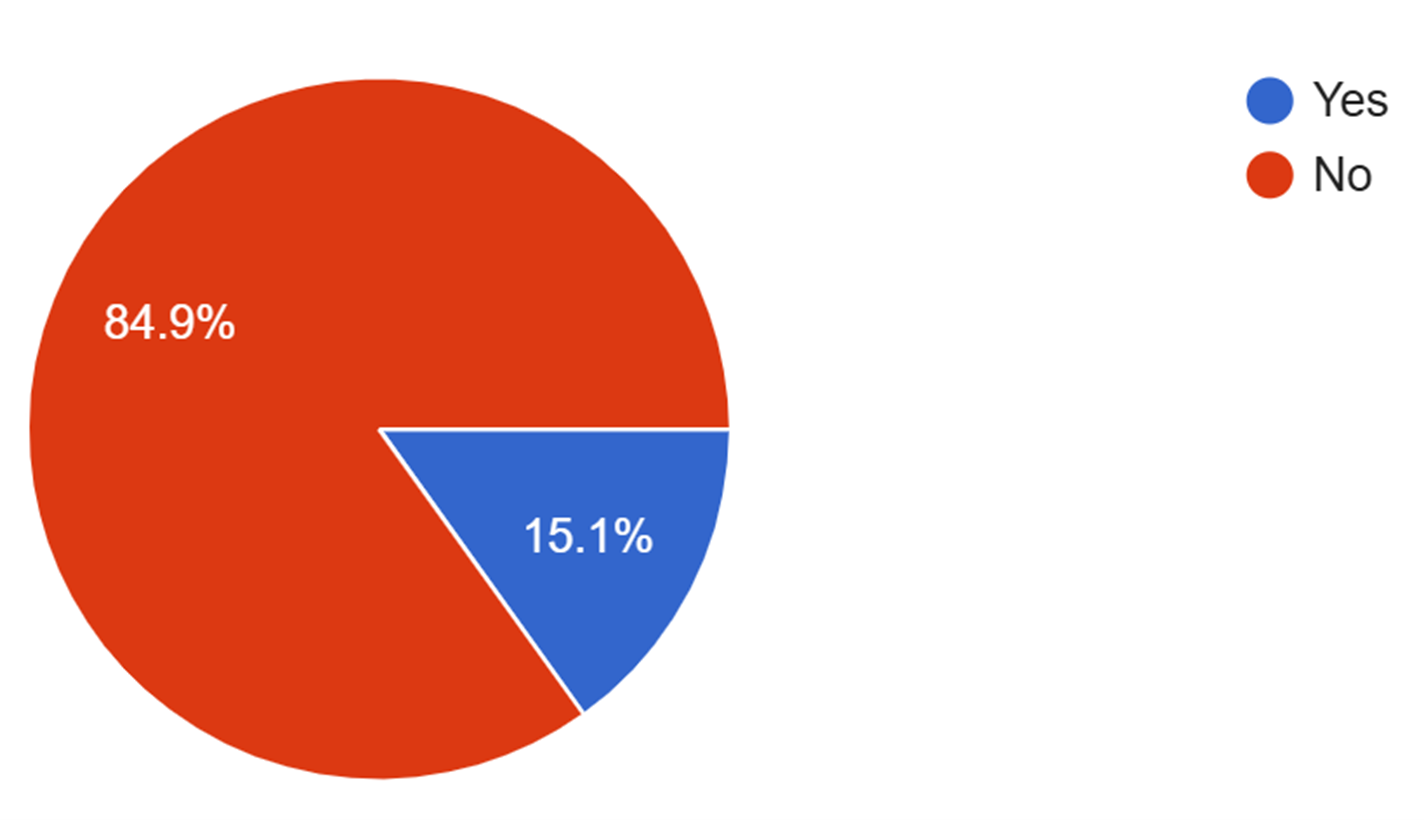
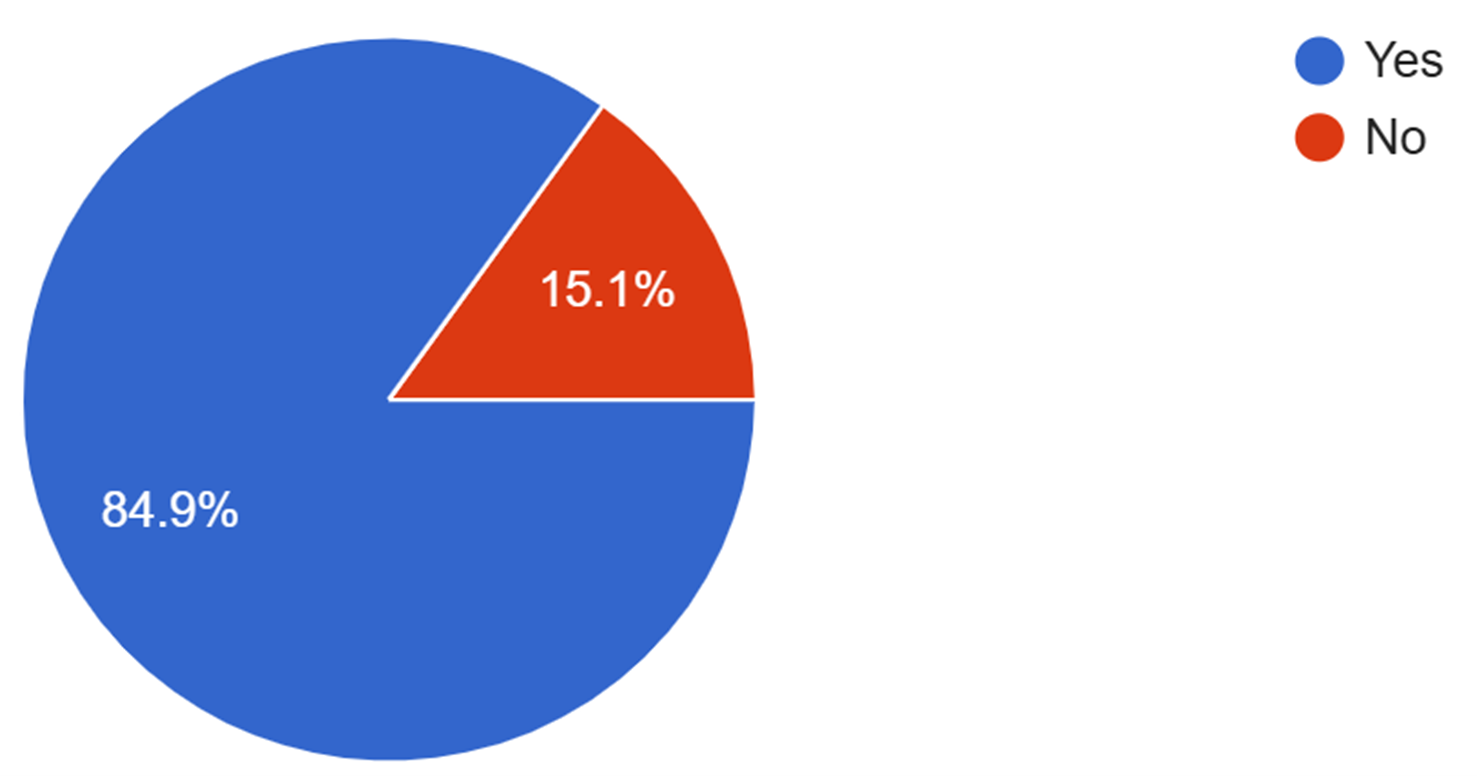
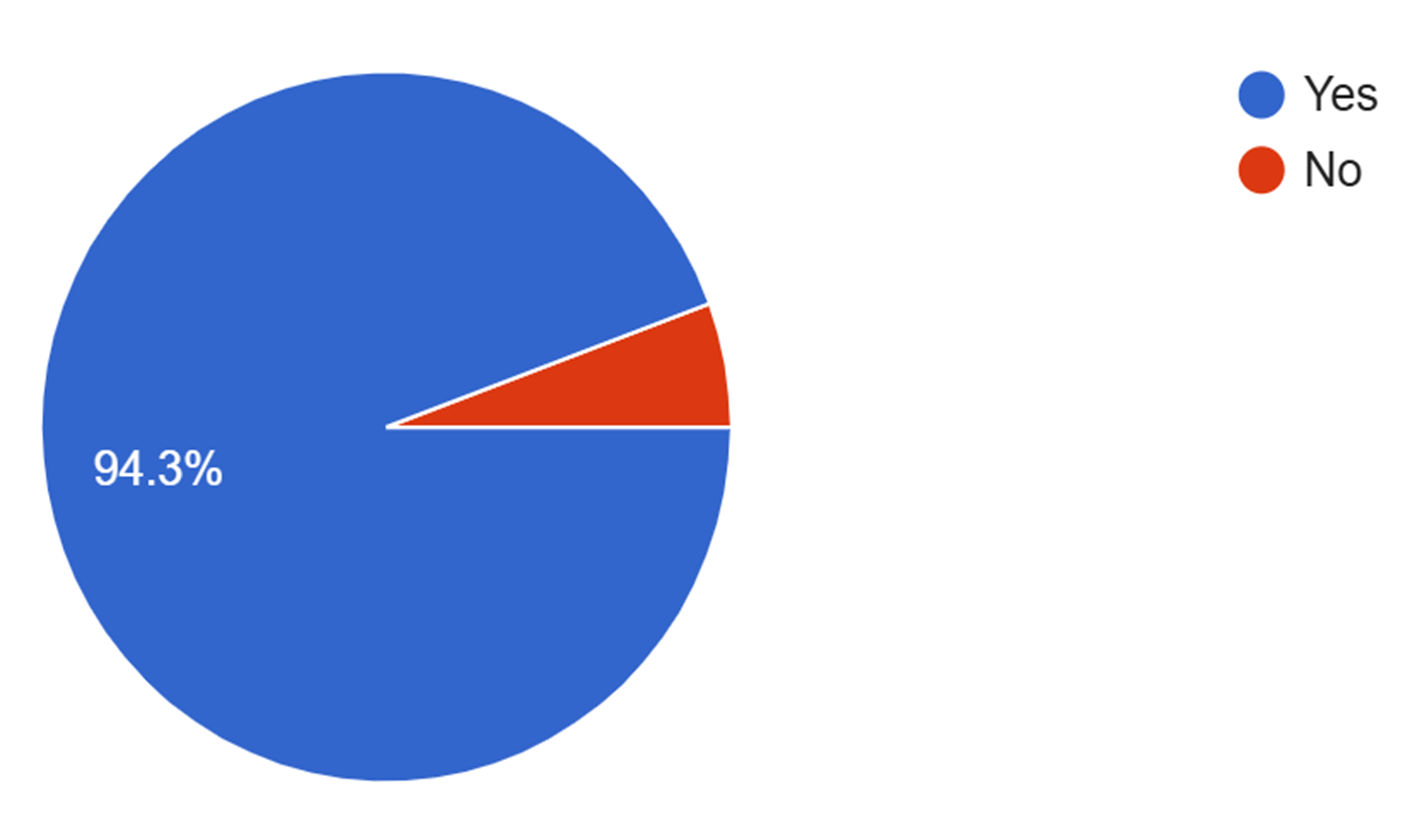
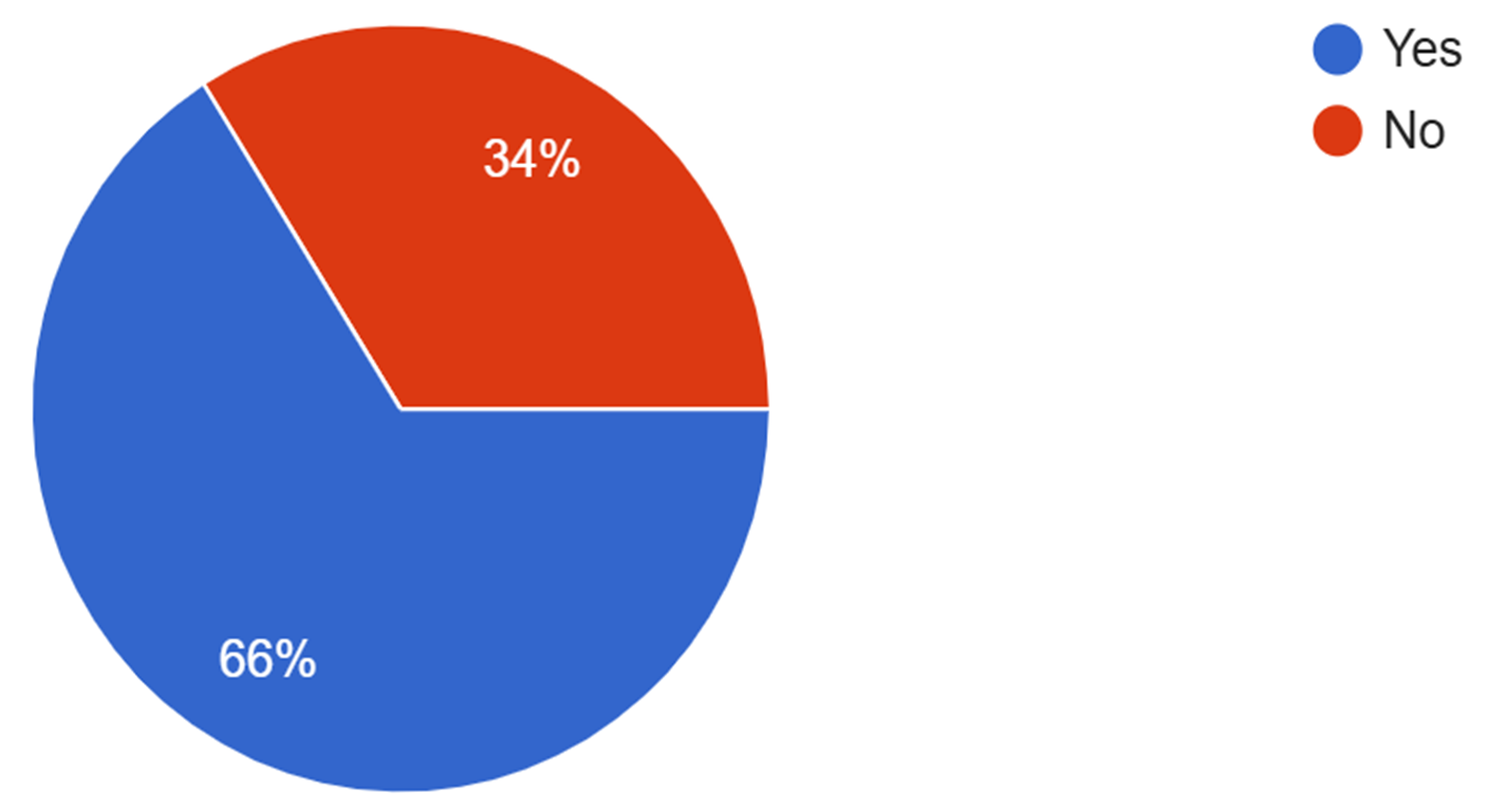
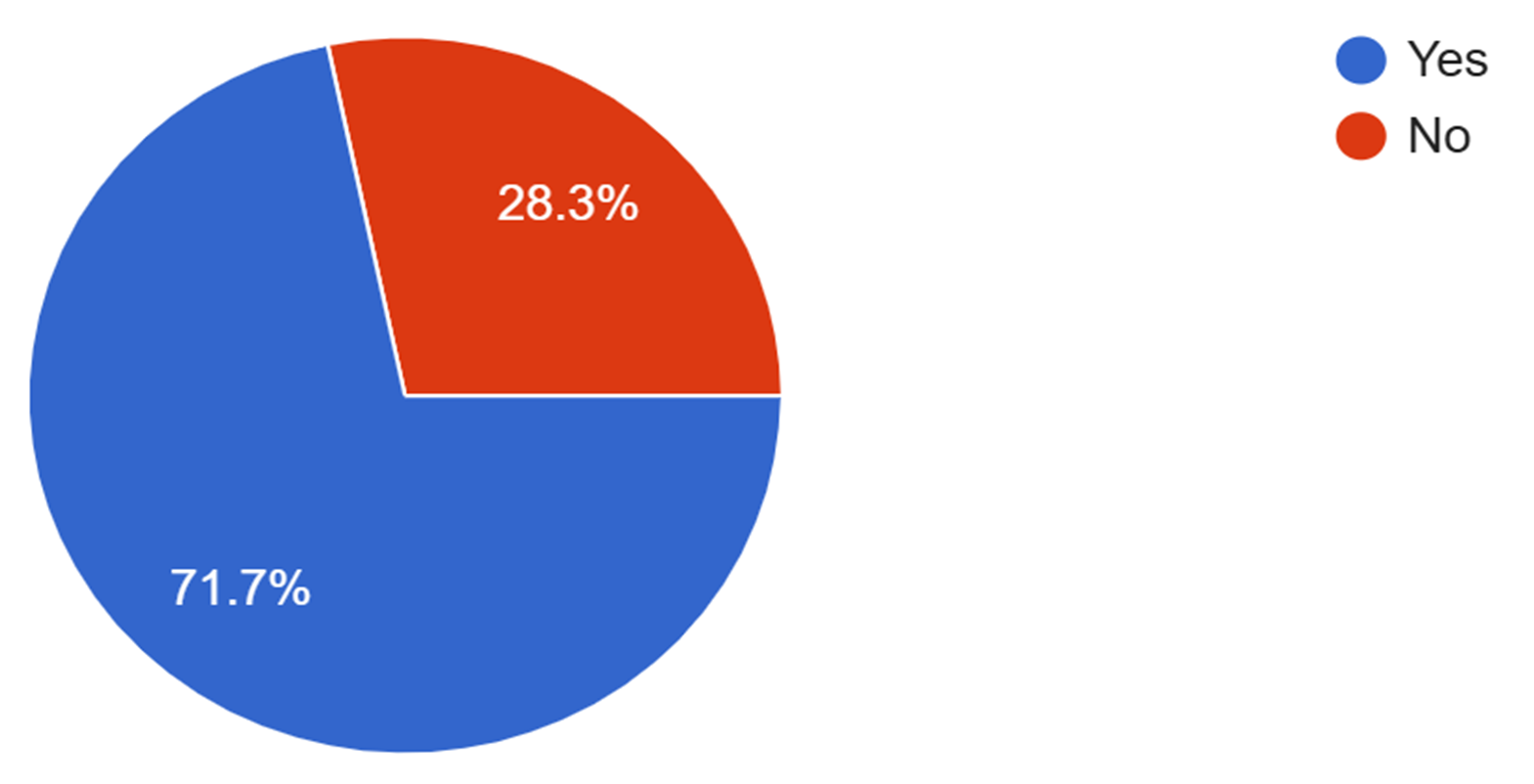
Let’s be honest: apps like WhatsApp and Instagram are just how we talk to each other now. But our relationship with social media is incredibly complicated. It's a weird paradox. On one hand, we see how the internet beautifully connects people from all walks of life. But on the exact same screen, we watch it drive us apart and fuel intense division. There’s also a funny sort of denial going on: we all easily agree that social media is powerful enough to manipulate elections and sway the masses, but almost nobody wants to admit that they might be falling for it, too. Then there’s the glaring issue—it can just be a really toxic place to hang out. Most of us stumble across hate speech or general nastiness on a regular basis, and honestly, nobody is holding their breath waiting for the tech companies to actually clean it up. At the end of the day, we love the connection the internet gives us. But we’ve reached a point where the ugly side is getting too loud to ignore. We desperately need to figure out how to put some real guardrails in place, so we can keep the communities we've built without drowning in the negativity.
The purpose of this survey report is to move beyond theoretical discussions and gather tangible, empirical data regarding how everyday individuals interact with the internet and social media. It aims to quantify user habits, such as screen time and platform preference, while simultaneously measuring qualitative perceptions of digital influence, community cohesion, and online toxicity. The target audience for this piece encompasses digital communication researchers, sociologists, and everyday internet users who are interested in understanding the collective behavioral patterns that shape our online ecosystems. This entry ties directly into the portfolio's theme of communication by revealing the inherent paradoxes in modern digital discourse. The data visualizes a critical communication crisis: users heavily rely on these platforms for daily interaction and community building, yet they simultaneously recognize them as breeding grounds for polarization and hate speech. By presenting this data, the project highlights the urgent need for better digital communication guardrails and emphasizes how the structure of social media platforms inherently influences the tone, safety, and societal impact of human interaction.